Difference between revisions of "Basic Energy Services - Overview"
From energypedia
***** (***** | *****) m |
***** (***** | *****) m |
||
| Line 55: | Line 55: | ||
**Consumer Finance | **Consumer Finance | ||
*Mini grids | *Mini grids | ||
| − | **[[ | + | **[[Micro_Hydro_Power_(MHP)_Plants|Micro Hydro Power (MHP) Plants]] |
| − | **Hybrid | + | **Hybrid Applications |
**Supply Side Finance | **Supply Side Finance | ||
*Other | *Other | ||
Revision as of 10:07, 9 September 2014
 |
|
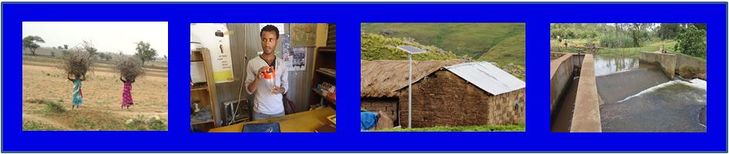
With the current world population close to 7 billion people, modern basic energy delivery is imperative for both human survival and economic development. As fundamental as access to energy is, there are still a great number of people who are experiencing energy poverty. It is estimated that 1.3 billion people who have no access to electricity, while 2.6 billion people still do not have access to clean and efficient cooking facilities. More than 95% of these people live in Sub-Sahara Africa or developing Asia and 84% in rural areas. -> Learn more about basic energy services in the chapters Context, Basics or Energy Systems below.
|